Safari · Central Malawi, Rift Valley escarpment
Nkhotakota Wildlife Reserve
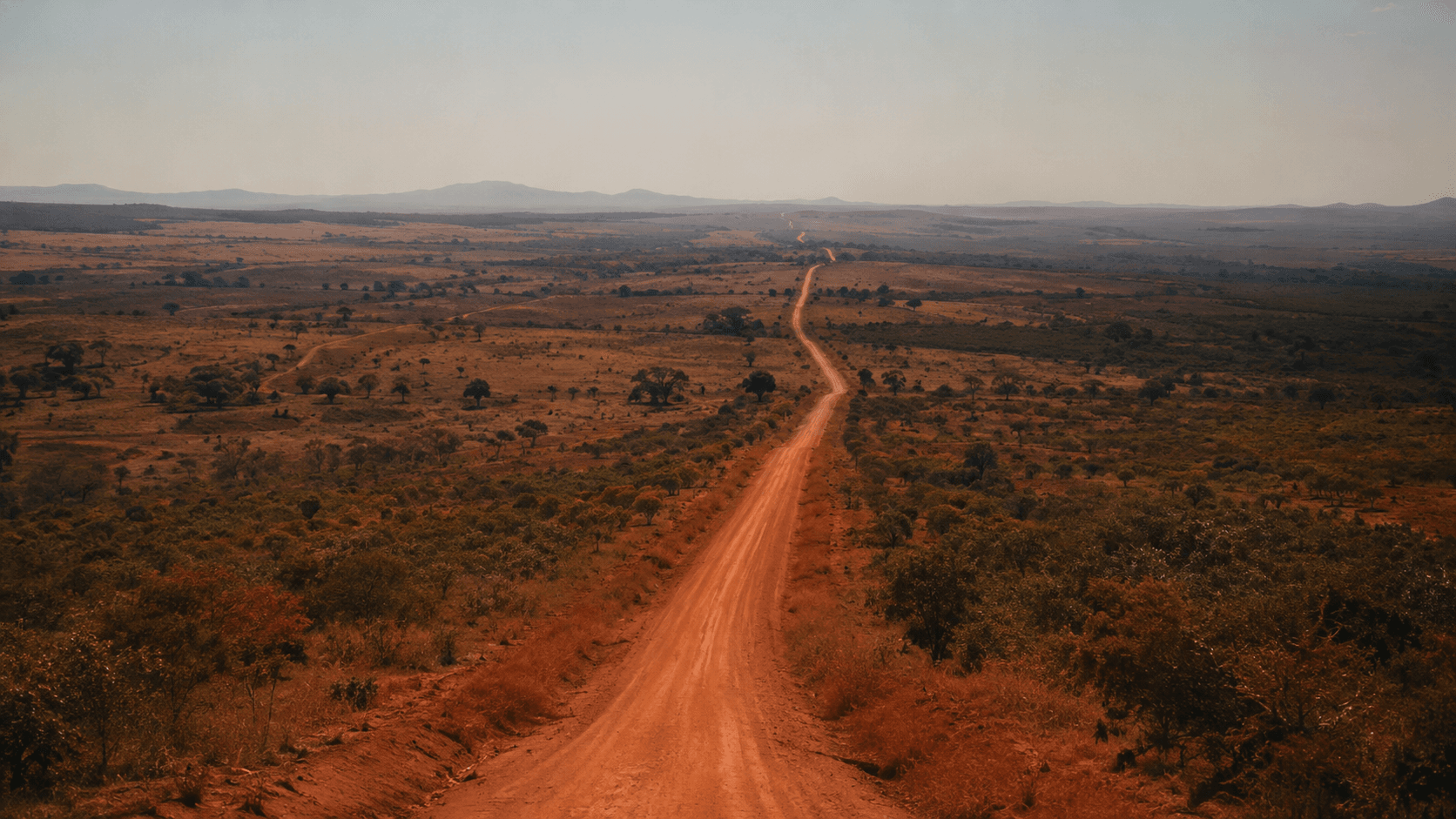
Around 1,800 km² of miombo woodland and river valley on the Rift escarpment, restocked in one of the largest translocations ever attempted. It rewards a particular kind of traveller and disappoints another.
Last researched September 2026 · -12.92°S 34.10°E, approximate centre
- Area
- About 1,800 km²
- Managed by
- African Parks with the Malawi government, since 2015
- Landscape
- Miombo woodland, river valleys, escarpment
- Birds recorded
- Over 130 species
- Typical stay
- 2 nights
Should it be in your trip?
Nkhotakota Wildlife Reserve covers roughly 1,800 km² of rugged terrain between the Rift Valley escarpment and Lake Malawi, managed by African Parks in partnership with the Malawi government since 2015. It is Malawi's oldest reserve and among its largest.
In 2016 and 2017 it received around 500 elephant as part of a translocation of over 1,500 animals — one of the largest exercises of its kind attempted anywhere. The landscape is miombo woodland, tall grass and river valleys, with occasional rainforest, and more than 130 bird species recorded.
It should not be chosen as a substitute for Liwonde or Majete. Game density is lower and the terrain is thicker, which means sightings take more work. What it offers instead is wilderness and near-solitude, and travellers who value those over a sightings list rate it highly.
01
What to expect, honestly
Thick miombo woodland does not give up its wildlife the way an open floodplain does. Elephant are present in significant numbers and the reserve has been genuinely transformed, but a morning drive here is not the reliable parade of a high-density park.
The compensation is that you will likely have it to yourself. Nkhotakota receives a fraction of the visitors Liwonde does, and the sense of being somewhere unmanaged is real rather than marketed.
River activity along the Bua is a feature, and the birding is good. Lodges inside and on the boundary range from bush camps to a wilderness lodge.
02
Where it fits on a route
Nkhotakota sits between Lilongwe and the central lakeshore, which makes it a natural break on a north–south route rather than a destination you travel to specifically. That is the most sensible way to use it.
Pairing it with the central lake works geographically. Pairing it with Nyika only makes sense on a genuinely long northern itinerary — they are far apart and both are commitments.
Restocking a reserve
- 2015African Parks takes on management
- 2016–17Around 500 elephant moved in, within a translocation of over 1,500 animals
- 2019Sanctuary area extended to 80,000 hectares
Fit
Go if
- Travellers who value solitude and wilderness over sightings counts
- A break on a north–south route between Lilongwe and the lake
- Second Malawi trips, where the main circuit is already done
Skip it if
- This is your only safari stop — take Liwonde or Majete instead
- You are expecting classic high-density game viewing
- Your itinerary is tight; the access commitment is real
- How long
- 2 nights. NYASA planning guidance.
- Role on a route
- A wilderness break on a north–south route, not a headline safari destination.
What it costs
We do not publish a Nkhotakota entry fee. The only specific non-resident figure we can find is from a secondary guide dated 2019, and African Parks does not publish a current public tariff for the reserve. Rather than present a seven-year-old number as current, we say plainly that the rate needs confirming with the park or your lodge before you travel.
Nkhotakota Wildlife Reserve or Liwonde National Park
Not a ranking. They do different things, and the right answer depends on the rest of your route.
Nkhotakota Wildlife Reserve
Choose it when you have already done the main circuit and want wilderness over sightings.
Liwonde National Park
Choose it when this is your safari stop and you want the experience to be reliable.
NYASA view
We are careful about recommending Nkhotakota, and that care is the recommendation. It is a serious conservation achievement and a genuinely wild place, and it will disappoint anyone who arrives with a Liwonde-shaped expectation.
The fee situation is a good illustration of our method. We could print the 2019 figure and almost nobody would check. We would rather tell you the number is unconfirmed than have you budget from something seven years stale.
Editorial judgement, not sourced fact
Sources
Last researched September 2026. No current non-resident entry tariff could be sourced. The only specific figure available is from a 2019 secondary guide and is not published here.
Nkhotakota Wildlife Reserve works when the route around it works.
How many nights Nkhotakota Wildlife Reserve earns depends on what else is in your trip and when you are going. Tell us the shape of it and we will come back within 24 hours with a route, a realistic cost, and an honest answer on whether it belongs.