Lake · The eastern spine of the country
Lake Malawi
It is not one destination. The lake runs most of the length of the country, and a beach at Cape Maclear and an island in Mozambican waters are not versions of the same holiday.
Last researched September 2026 · -12.18°S 34.60°E, approximate centre
- Length
- About 580 km, north to south
- Standing
- Among the world's deepest lakes
- Cichlid species
- Around 30% of all known species
- UNESCO
- Lake Malawi National Park, inscribed 1984
- Typical stay
- 3 nights, one location
Should it be in your trip?
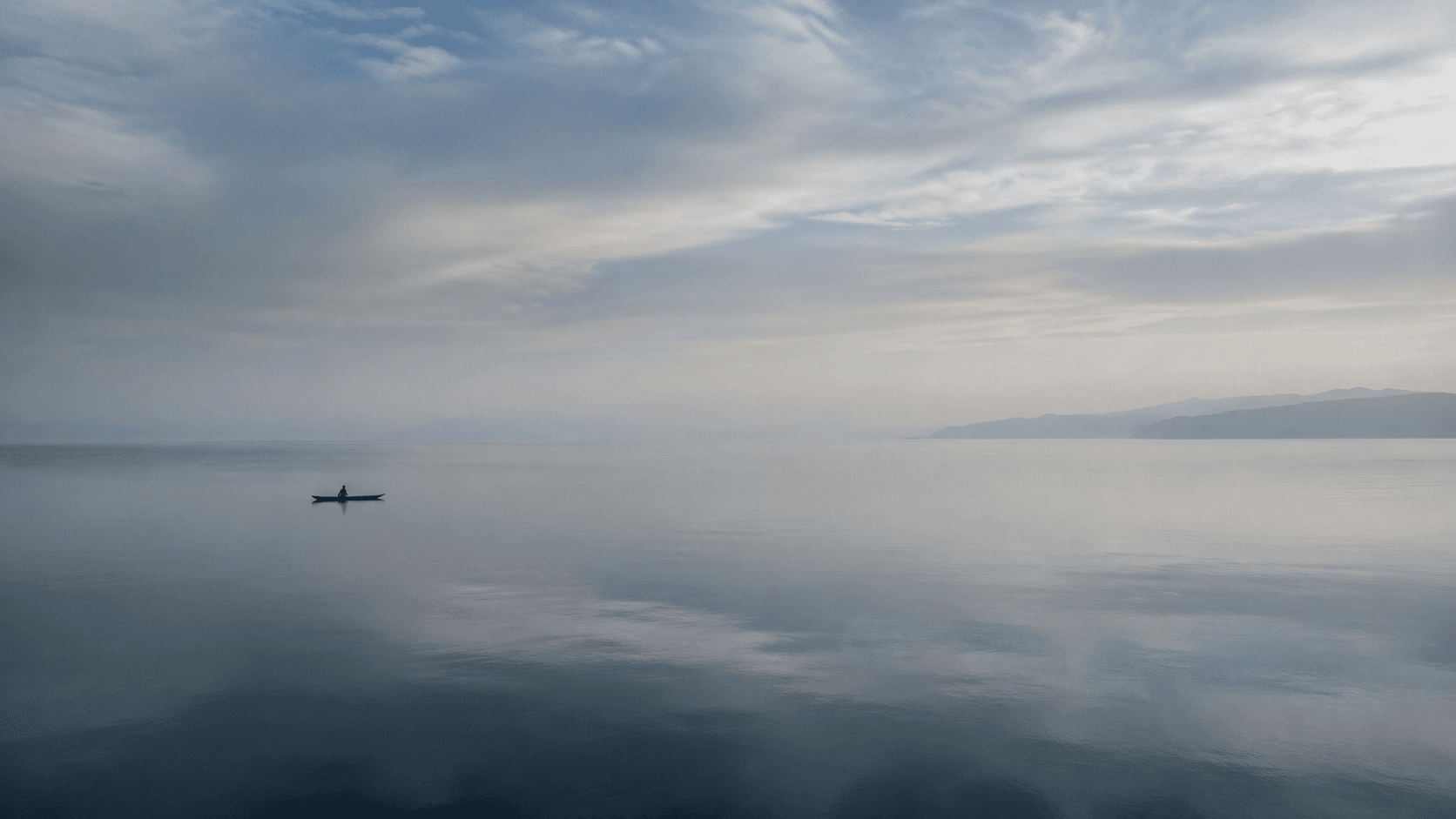
Lake Malawi is the third largest lake in Africa and one of the deepest in the world, running roughly 580 kilometres down the eastern side of the country. Most Malawi routes touch it, and the question is never whether to include it but which part, because the southern shore, the central lakeshore, the far north and the islands offer materially different experiences.
For a first trip, the southern lake around Cape Maclear is the practical choice: it is closest to Liwonde and the main southern circuit, it sits inside Lake Malawi National Park, and the snorkelling is the best-organised in the country. Allow three nights. Two is a rushed stop; four starts to feel long unless you are diving.
Likoma Island is the opposite proposition — harder to reach, more committing, and the only part of the lake that feels like a destination in its own right rather than a stop on a route. It is worth the effort for travellers with time, and a mistake for anyone on a tight two-week itinerary.
01
The lake and the national park are not the same thing
Lake Malawi is a geographic entity. Lake Malawi National Park is a protected area of about 94 km² at the southern end, around the Nankumba Peninsula and the islands off Cape Maclear, inscribed on the UNESCO World Heritage List in 1984. It was the world's first freshwater national park.
The distinction matters when you are reading other people's trip reports. A great deal of what gets written about "Lake Malawi" — the clear water, the mbuna shoals, the snorkelling — describes the protected southern section specifically. The lake elsewhere is beautiful and often quieter, but it is a different experience and it is not inside a World Heritage property.
02
Why the fish are the reason this lake is famous
UNESCO inscribed the park for its cichlid fish, which it compares in evolutionary significance to the finches of the Galapagos. The lake holds around thirty per cent of all known cichlid species, and the overwhelming majority of those in the park are found nowhere else on earth.
For a traveller this translates simply: put on a mask in the right place and you are looking at an aquarium that exists nowhere else. It is the single most distinctive thing the lake offers, and it is concentrated in the rocky shallows rather than spread evenly along the shore. Sandy beaches are lovely and largely fishless.
Published species counts vary considerably between sources — UNESCO material cites both figures in the hundreds and figures above eight hundred depending on which document and which boundary is being described. We have not been able to reconcile those, so we describe the diversity rather than print a count.
03
Choosing your stretch of shore
The southern lake, around Cape Maclear and the Mangochi shoreline, is the most developed and the easiest to combine with Liwonde and the southern circuit. It has the national park, the best snorkelling infrastructure and the widest range of places to stay, from backpackers to small lodges.
Nkhata Bay on the central-northern shore is greener, hillier and has a different character — deeper water close in, a working port town, and the main jumping-off point for Likoma. It suits travellers moving north rather than those doing a southern loop.
Likoma Island sits in Mozambican waters and is the lake's genuine outlier. The far north, beyond Nkhata Bay, is the least visited and the hardest to reach, and it is where a long Malawi trip goes rather than a short one.
04
Safari before the lake, not after
This is a routing opinion and we hold it firmly. Put the safari first and the lake second.
Safari days start before dawn and involve a lot of vehicle time. Lake days involve a chair. Doing them in that order means the demanding part happens while you are fresh and the trip decompresses toward the end, which is also how people remember it. Reversed, you spend the last four days of a holiday getting up at five.
It also works geographically on the southern circuit: Liwonde sits between Blantyre and the southern lakeshore, so the lake is naturally the last stop before returning north to Lilongwe.
05
Swimming, and the question people actually want answered
Bilharzia is present in Lake Malawi, as it is in many African freshwater lakes, and you will find a wide range of opinions about it from people with no medical training. We are not going to add to them.
What we will say is that it is a known and treatable condition, that risk varies with location and exposure, and that this is a question for a travel health professional before you go rather than for a travel website. Our health guide covers what to raise at that appointment.
Fit
Go if
- Almost every Malawi route — the question is which stretch, not whether
- Snorkellers and divers, who should be at the southern lake specifically
- Travellers who want the trip to decompress rather than end on a 5am start
Skip it if
- You have under a week and are committed to seeing two reserves
- You want a resort. This is not that lake, and the places pretending otherwise are the weakest on it
- How long
- 3 nights in one location. NYASA planning guidance, not a fixed rule.
- Role on a route
- The decompression end of a southern circuit, or the spine of a longer north-south route.
Lake Malawi or Cape Maclear
Not a ranking. They do different things, and the right answer depends on the rest of your route.
Lake Malawi
Choose it when you are still deciding which part of the lake fits your route at all.
Cape Maclear
Choose it when you have settled on the southern lake and want to know what a stay there is actually like.
NYASA view
The most common Malawi mistake we see is treating the lake as a single tick-box and booking whichever property looked best in photographs, regardless of where it sits. A lodge four hours off your route is four hours off your route however good the beach is.
The second most common is one night. The lake is where a Malawi trip slows down, and one night does not slow anything down. If the itinerary can only spare one night on the lake, our honest advice is to spend it somewhere else and come back for a proper lake trip another time.
Editorial judgement, not sourced fact
Sources
Last researched September 2026. Cichlid species counts differ materially between published sources and boundaries, so we describe the diversity rather than print a figure we cannot reconcile.
Lake Malawi works when the route around it works.
How many nights Lake Malawi earns depends on what else is in your trip and when you are going. Tell us the shape of it and we will come back within 24 hours with a route, a realistic cost, and an honest answer on whether it belongs.